Get Conduit Installation
Conduit installation services help property owners safely and efficiently run electrical, data, or communication cables through walls, floors, or ceilings for various construction or renovation projects.
Looking into conduit installation services can be an important step in ensuring the safety and functionality of a property’s electrical systems. Property owners in the area may consider this work when upgrading existing wiring, expanding electrical capacity, or preparing a property for future improvements. Exploring local options allows for comparison of experienced service providers who understand the specific needs of the community and can help plan projects that meet safety standards and practical requirements.
By researching conduit installation services, property owners can find trusted local contractors equipped to handle a variety of electrical infrastructure needs. Whether for residential, commercial, or industrial properties, connecting with local service providers offers an opportunity to assess different approaches and find solutions tailored to the project’s scope. Continuing to explore your options can help ensure the right expertise is available to support your property’s electrical planning and development.
- individuals needing conduit installation for new electrical systems in residential or commercial buildings. - property owners requiring conduit upgrades or replacements to meet code or safety standards. - contractors seeking reliable conduit installation services for renovation or expansion projects. - facilities managers looking to install or repair conduit in industrial or institutional settings. - electricians needing assistance with complex conduit routing or specialized installation tasks.
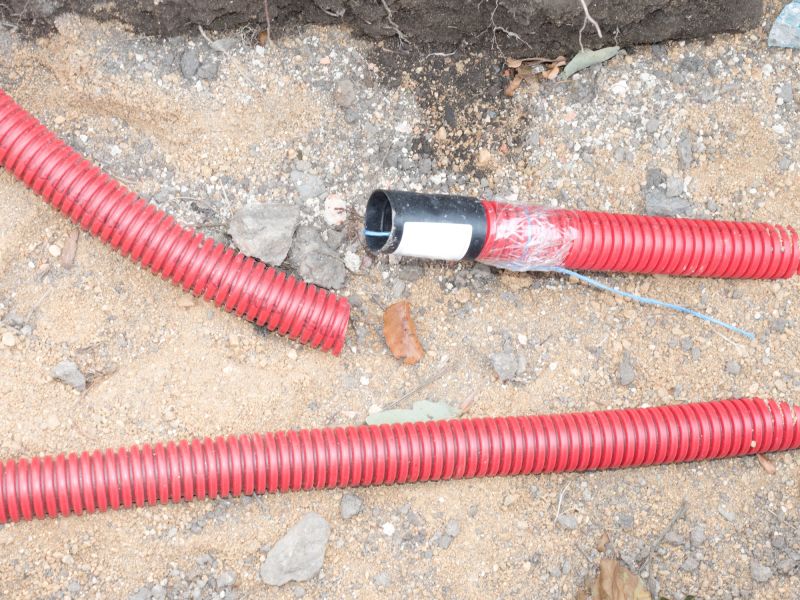
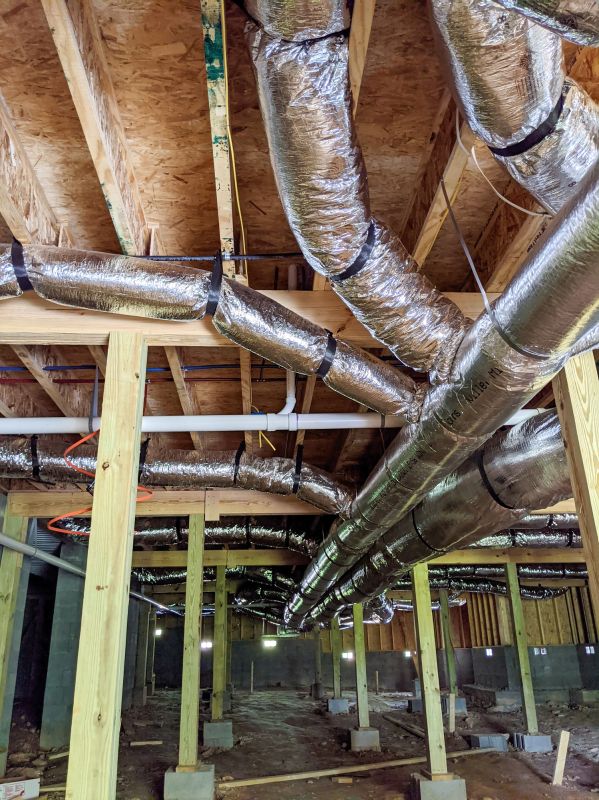
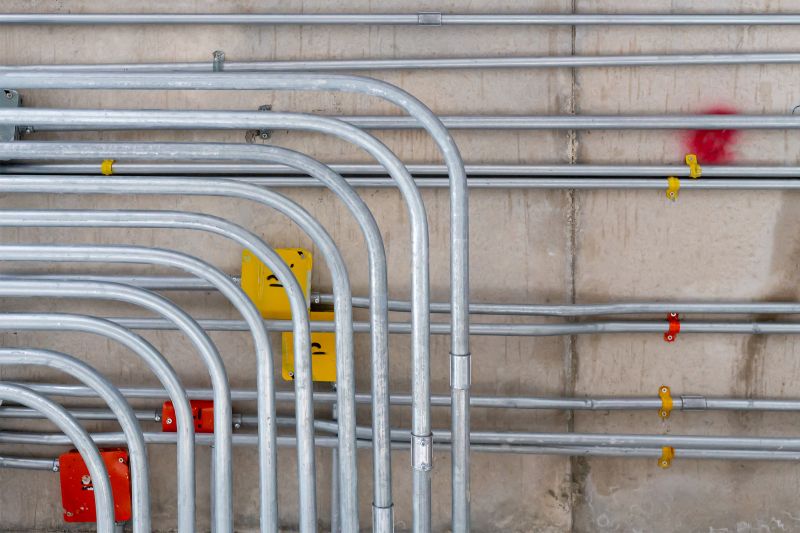
Conduit installation services involve setting up the essential pathways that carry electrical wiring throughout a property. This process typically includes selecting the appropriate conduit type-such as metal or plastic tubing-measuring and cutting the conduit to fit the space, and securely installing it within walls, ceilings, or underground. Proper conduit installation ensures that electrical systems are organized, protected from damage, and compliant with safety standards, providing a reliable foundation for wiring that powers lighting, appliances, and other electrical devices.
This service is often sought to address issues related to outdated or damaged wiring infrastructure, as well as for new construction or major renovations. Conduits help prevent electrical failures caused by exposure to moisture, pests, or physical impact. They also simplify future upgrades or repairs by providing a clear, accessible route for wiring. Proper conduit installation can minimize the risk of electrical shorts, reduce fire hazards, and make troubleshooting electrical problems more straightforward, contributing to a safer and more efficient electrical system.
Properties that typically require conduit installation include residential homes, especially those undergoing renovations or electrical upgrades, as well as commercial buildings, warehouses, and industrial facilities. Homes with older wiring systems may need conduit to replace or upgrade outdated electrical infrastructure. New construction projects often incorporate conduit from the outset to ensure a neat and organized wiring layout. Additionally, properties in areas with specific building codes or safety requirements may need conduit installation to meet regulatory standards.
Homeowners who notice issues such as frequent electrical outages, damaged wiring, or signs of wear in their electrical system might consider conduit installation as a solution. It is also a practical step during remodeling projects, when adding new circuits, or expanding electrical capacity. By connecting with experienced local contractors, homeowners can ensure that conduit installation is performed correctly and tailored to the specific needs of their property. This service provides a durable and organized pathway for electrical wiring, helping to maintain a safe and functional electrical system over time.
The overview below groups typical Conduit Installation projects into broad ranges so you can see how smaller, mid-sized, and larger jobs often compare in your area.
In many markets, a large share of routine jobs stays in the lower and middle ranges, while only a smaller percentage of projects moves into the highest bands when the work is more complex or site conditions are harder than average.
Smaller Repairs - Basic conduit installation or repairs for minor issues typically cost between $250 and $600. Many routine jobs fall within this range, depending on the scope and materials used.
Partial Replacement - Replacing sections of conduit or upgrading existing systems usually ranges from $600 to $2,000. Larger projects that involve more extensive work can reach up to $3,500, but most fall in the middle of this spectrum.
Full System Installation - Installing a complete conduit system for a residential or small commercial property generally costs between $2,000 and $5,000. More complex or larger-scale projects may exceed this range, but many local contractors work within these typical costs.
Complex or Custom Projects - Highly customized or large-scale conduit installations, such as for industrial facilities, can cost $5,000 or more. These projects are less common and usually involve specialized requirements that influence the final price.
Actual totals will depend on details like access to the work area, the scope of the project, and the materials selected, so use these as general starting points rather than exact figures.
Electrical Wiring Projects - These projects require precise planning and installation of electrical pathways, similar to conduit installation for safe and efficient electrical systems.
Data and Communication Cable Runs - Installing network cables involves conduit planning and routing skills comparable to those used in conduit installation services.
Lighting Fixture Installations - Proper conduit pathways are often necessary for lighting setups, making these projects relevant for local contractors experienced in conduit work.
Security System Wiring - Running wiring for security cameras and alarm systems involves planning and conduit installation techniques akin to electrical conduit services.
HVAC Control Wiring - Connecting HVAC control systems requires careful conduit routing and installation skills similar to those used in conduit installation projects.
Industrial Electrical Installations - Large-scale electrical system setups often involve extensive conduit planning and installation, aligning with the skills needed for conduit services.
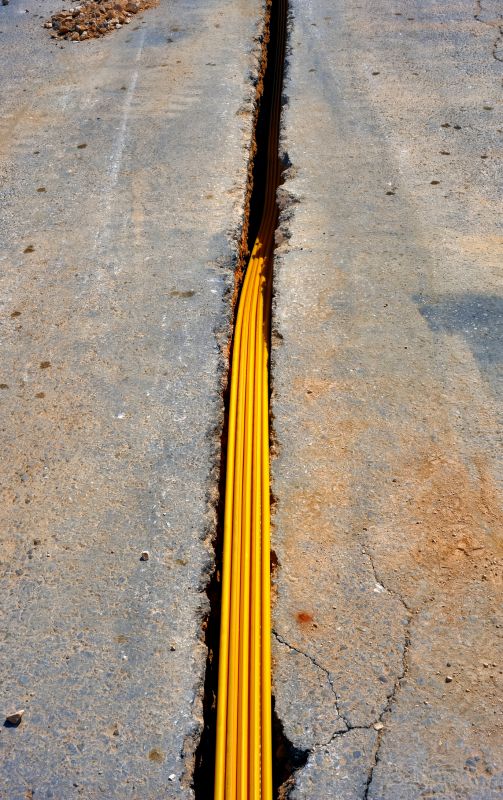
When comparing service providers for conduit installation, it’s important to consider their experience with similar projects. Homeowners should inquire about how long a contractor has been working on conduit or electrical infrastructure installations and whether they have handled projects comparable in scope and complexity. An experienced local contractor is more likely to understand the nuances of the work, anticipate potential challenges, and deliver results that meet expectations. This familiarity can also provide peace of mind that the job will be approached with the necessary skill and attention to detail.
Clear, written expectations are essential when evaluating potential service providers. Homeowners should seek detailed proposals or estimates that outline the scope of work, materials to be used, and any specific steps involved in the conduit installation process. Having this information documented helps ensure everyone is aligned on what will be done and reduces the likelihood of misunderstandings. Reputable local contractors often provide transparent communication and are willing to clarify any questions or concerns before work begins, contributing to a smoother project experience.
Reputable references and good communication are key factors in selecting a reliable conduit installation service provider. Homeowners can ask for references from past clients to gain insight into the contractor’s professionalism, quality of work, and ability to meet deadlines. Additionally, a service provider who maintains open and responsive communication can help address questions promptly and keep the project on track. It’s important to remember that this site introduces homeowners to local options capable of handling conduit installation but does not perform the work itself, making thorough research and direct contact with potential contractors a vital step in the process.
Property owners use Conduit Installation services for practical projects around their homes and businesses. This guide focuses on everyday jobs and straightforward project options.
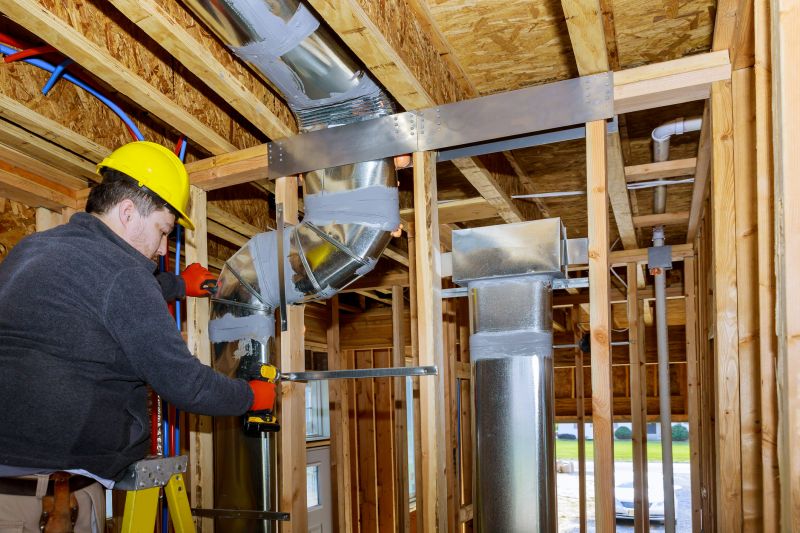
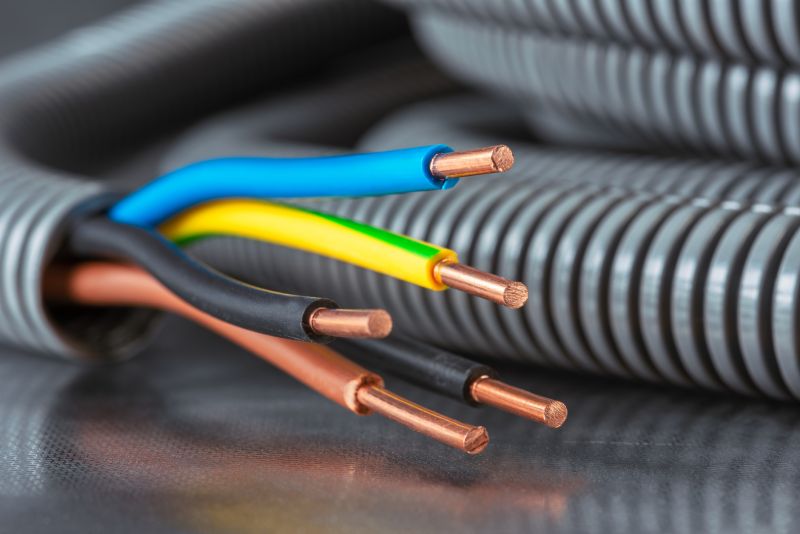
Conduit installation is a common project for property owners who are upgrading electrical systems, installing new appliances, or adding outdoor lighting. Local contractors are often called upon to handle these jobs when wiring needs to be routed safely and efficiently throughout a property. Whether it's running conduit in a new construction or replacing outdated wiring, property owners typically seek professional assistance to ensure the work meets safety standards and is completed correctly.
Many property owners also look for conduit installation services when making renovations or repairs that involve electrical modifications. This might include extending existing wiring, upgrading to more durable conduit types, or organizing wiring for better accessibility. Local service providers can help address these everyday needs, providing solutions that support the safety and functionality of residential or commercial properties.
What is conduit installation? Conduit installation involves setting up protective tubing for electrical wiring to ensure safety and organization in a building's electrical system.
Who can perform conduit installation? Local contractors or service providers with experience in electrical infrastructure can handle conduit installation projects.
What types of conduit are available for installation? Common types include PVC, metal, and flexible conduit, each suitable for different applications and environments.
Why is proper conduit installation important? Correct installation helps protect wiring from damage, reduces fire risk, and ensures compliance with electrical standards.
Where can I find professionals for conduit installation? Service providers in the local area specializing in electrical work can be contacted to handle conduit installation needs.
Conduit Installation for New Home Construction - Property owners building a new residence can have local contractors install electrical conduits to ensure safe and organized wiring from the start.
Upgrading Existing Electrical Systems - Homeowners planning to add new appliances or outlets might consider conduit installation to facilitate future electrical expansions or modifications.
Protecting Wiring in Harsh Environments - Property owners with outdoor or exposed areas can work with local pros to install conduits that shield electrical wiring from weather and physical damage.
Retrofitting for Safety and Compliance - Those updating older properties may use conduit installation to meet current safety standards and improve the durability of electrical systems.
If you are thinking about Conduit Installation for a property, this guide is meant to help you understand the work, the typical project types, and how different options might fit your plans.
When you are ready, you can use the quote form on this page to share a few details about your project. From there, local pros can review the basics and respond with options that match what you have in mind.