Compare and Connect With Local Contractors for Conduit Installation
Compare local contractors for conduit installation by defining project scope, verifying experience, and setting clear expectations to ensure a successful outcome.
Conduit installation services typically involve the setup and placement of protective tubing used to route electrical wiring safely throughout a property. This work can include installing conduits in walls, floors, or underground, ensuring that wiring systems are organized, protected from damage, and compliant with building standards. Contractors may handle various types of conduit materials, such as metal or plastic, depending on the specific requirements of the property and the intended use. Proper installation is essential to facilitate future wiring upgrades, repairs, or expansions, making it a critical component of electrical infrastructure projects.
Clearly defining the scope of conduit installation work is vital to ensure that property owners and contractors are aligned on expectations. A well-documented scope includes details such as the locations for conduit runs, the types of materials to be used, any necessary penetrations or supports, and specific safety or code considerations. Establishing this scope in writing helps prevent misunderstandings, provides a basis for comparing bids or proposals, and ensures that all parties have a shared understanding of the project's extent. Proper scope definition can also streamline the project planning process and support accountability throughout the work.
When comparing local contractors for conduit installation, property owners should evaluate their experience with similar projects, the range of services they offer, and their reputation within the community. It is helpful to review their portfolio or request references to verify their familiarity with conduit systems and installation practices. Additionally, assessing how each contractor approaches project planning-such as how they define scope, communicate expectations, and document work-can aid in making an informed decision. Choosing service providers who prioritize clear communication and thorough documentation can contribute to a smoother, more predictable installation process.
Compare local contractors by outlining your project priorities, verifying experience, and clearly defining expectations in writing.
- Compare Contractors - review multiple service providers to find the best match for conduit installation needs.
- Define Scope Clearly - establish detailed project requirements to ensure shared understanding with contractors.
- Verify Experience - assess the background and previous work of local contractors to confirm their expertise.
- Document Expectations - put all project details and agreements in writing to set clear, mutual expectations.

Clearly describe your conduit installation project to help local contractors compare options and set clear expectations.
- Verify that the contractor clearly defines the scope of conduit installation work in writing. Ensure they have experience with the specific type of conduit and installation environment.
- Check that the contractor adheres to applicable electrical codes and standards relevant to conduit installation. Confirm that they provide detailed plans or diagrams before starting the work.
- Assess whether the contractor has a process for inspecting and testing installed conduit for proper function and safety. Make sure they can coordinate with other trades involved in the project.
- Ensure the contractor provides a detailed written proposal outlining materials, methods, and responsibilities. Look for a clear explanation of the installation process and any potential disruptions.
- Compare multiple local contractors to evaluate their communication, professionalism, and clarity in scope definition. Use this comparison to select a service provider that best meets project needs.
Compare local contractors, clarify project scope, verify experience, and set clear expectations in writing.

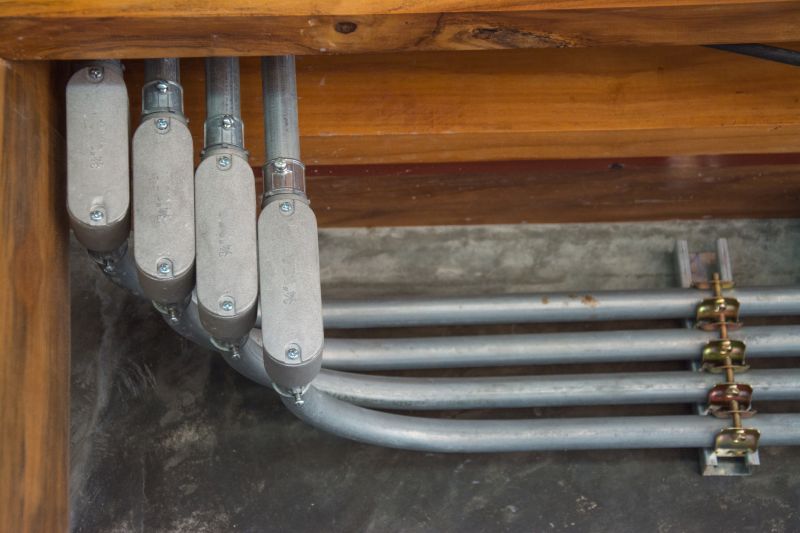

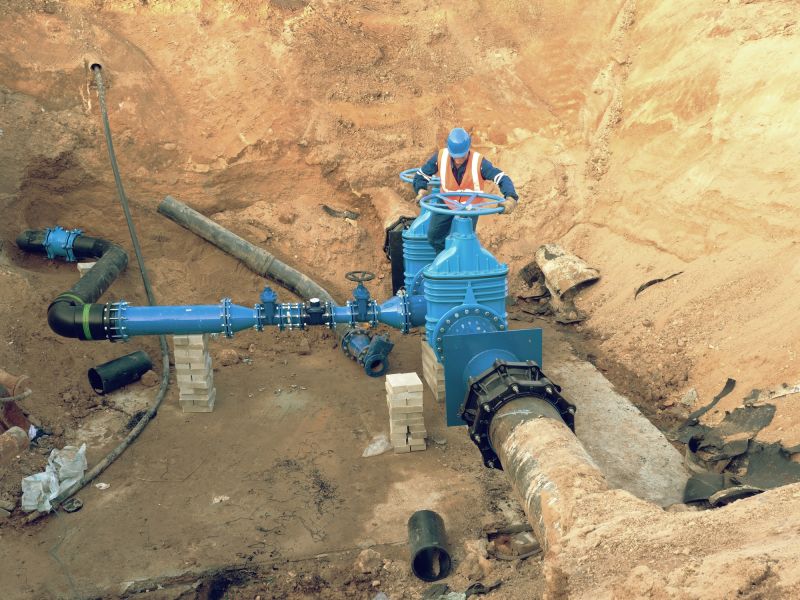
Compare local contractors’ scope definitions and experience to ensure consistent standards across different service providers.
- Scope Definition - Clearly outline the specific conduit installation tasks required for the project.
- Material Specifications - Specify the types and sizes of conduit materials to be used in the installation.
- Experience Verification - Confirm that the service providers have relevant experience with conduit installation projects.
- Work Standards - Establish expectations for installation quality and adherence to applicable codes and best practices.
- Written Agreement - Ensure all project details, scope, and responsibilities are documented in a formal agreement.
When comparing contractors for conduit installation, it is important to evaluate their experience with similar projects. Homeowners should seek service providers who have a proven track record of handling conduit installations in residential settings comparable to their own. Asking about past projects can help clarify whether a contractor has the relevant expertise to manage the specific requirements of the site, such as the type of building, existing infrastructure, or unique installation challenges. Contractors with relevant experience are more likely to understand the nuances involved and deliver a reliable outcome.
A clear, written scope of work is essential when assessing different service providers. Homeowners should request detailed descriptions of what the conduit installation includes, such as the materials used, the installation process, and any specific tasks or exclusions. A well-defined scope helps prevent misunderstandings and ensures that expectations are aligned before work begins. It also provides a basis for comparing different contractors’ proposals and understanding what services are included, making it easier to evaluate the comprehensiveness of each option.
Verification of a contractor’s basic qualifications involves reviewing their ability to accurately assess and plan the project. Homeowners should inquire about how contractors determine the appropriate conduit type, size, and routing for the project. Confirming that service providers follow standard practices for site assessment and measurement can help ensure the installation will meet safety and performance standards. While formal licensing or certification are not the focus here, understanding their approach to verification can provide insights into their professionalism and attention to detail.
When evaluating options, it is helpful to consider how each contractor communicates and documents the project details. Clear, comprehensive written proposals that outline scope, methods, and expectations are key indicators of professionalism. Homeowners should compare how thoroughly each service provider describes their approach and whether they address potential challenges or site-specific considerations. This level of clarity can assist in making an informed decision, ensuring that the chosen contractor’s approach aligns with the project’s needs and reduces the risk of misunderstandings during installation.
Ask contractors to provide written scope details to ensure clear expectations and consistent project understanding.
- Experience and Credentials - What specific experience do local contractors have with conduit installation projects similar to yours?
- Scope of Work - How do contractors define and document the scope of the conduit installation to ensure clear expectations?
- Materials and Methods - What types of conduit materials and installation techniques do service providers recommend for your project?
- Project Management - How do local contractors plan to coordinate the work and communicate progress throughout the project?
- Warranty and Follow-up - What warranties or guarantees do contractors offer, and how are post-installation issues handled?
What should I consider when choosing a conduit installation contractor? It's important to compare local contractors based on their experience, reputation, and the scope of services offered. Ensuring clear communication about project expectations helps in selecting the right service provider.
How can I verify a contractor’s experience with conduit installation? You can review their previous work, ask for references, or check their project portfolio to assess their familiarity with conduit installation projects similar to your needs.
What is the best way to define the scope of conduit installation work? Clearly outline the project requirements, including the type of conduit, installation locations, and any specific standards or preferences, then discuss these details with potential contractors to ensure mutual understanding.
Why is it important to have a written agreement with a conduit installation contractor? A written agreement helps set clear expectations, defines the scope of work, and provides a reference for project details, reducing misunderstandings during the installation process.
How can I compare different contractors for conduit installation services? Review their experience, request detailed descriptions of their services, check references or reviews, and ensure they understand your project needs to make an informed comparison.
What questions should I ask a contractor before hiring for conduit installation? Ask about their experience, the scope of services they provide, how they handle project planning, and how they communicate progress and updates throughout the job.
This page has highlighted key considerations for selecting contractors capable of handling conduit installation projects. Visitors have learned how to define the scope of work, verify the experience of service providers, and ensure clear expectations are established in writing. By understanding these steps, individuals can make more informed comparisons among local contractors suited to their specific needs.
To find the right service provider for conduit installation, use the quote form to explore options available in the area. Comparing local contractors through this process can help identify the best match based on experience, scope, and professionalism, making it easier to connect with qualified professionals prepared to meet project requirements.